
BRAZIL
WORLD FLAGS
SITE ON THE ORIGIN, DESIGN AND SYMBOLOGY OF THE FLAGS OF THE WORLD
#G / GUATEMALA / Central America
GUATEMALA

.GT
Official name:
Republic of Guatemala
Capital: Guatemala City
Idiom: Spanish
Form of Government: Presidential republic
Currency: Quetzal
Demonym: Guatemalan/-ca
Administrative divition: 22 Departments
FLAG
The flag of Guatemala is the emblem and supreme insignia of the Republic of Guatemala and has undergone transformations even before the creation of the republic on March 21, 1847.1 It was originally created by the conservative government of General Rafael Carrera y Turcios based on the proposal of Bishop Juan José de Aycinena y Piñol and other members of whom wanted to emphasize the conservative influence in Guatemala by keeping Spanish elements on the flag. After Carrera's death between 1860 and 1865, the conservative influence weakened in Guatemala and his government was finally overthrown by the liberal revolution on June 30, 1871 led by Miguel García Granados and Justo Rufino Barrios, who among their first decrees modified the flag of Guatemala to eliminate conservative references.

National flag
Proportion: 5 x 8


According to the executive decree of August 17, 1871, it was determined that the flag had only two colors: light blue and white. The white vertical stripe between the two blue ones represents the fact that the country is located between the Pacific Ocean to the west and the Caribbean Sea to the east. In its center appears the National Shield, -which was also modified to remove the conservative elements and the date March 21, 1847, which corresponds to the founding of the Republic of Guatemala and the end of the Central American Federation with which the Guatemalans had dreamed. liberals-.a The white color also represents purity, integrity, faith, obedience, steadfastness, vigilance, peace, and the nation. The blue color symbolizes justice, loyalty, sweetness, strength, the Guatemalan sky and the two aforementioned seas that bathe the eastern and western coasts of the country, respectively, as well as those of Central America.
The liberal design is based on the flag of the United Provinces of Central America, which in turn was based on the flag of the United Provinces of the Río de la Plata, now Argentina, although in the latter the stripes are horizontal, and the stripes exteriors are blue, not light blue. The flags of the other countries that made up the United Provinces of Central America follow this pattern.
Finally, the government agreement of September 12, 1968 regulates in detail the colors, density and placement of them on the national flag and coat of arms. This regulation was established during the government of Julio César Méndez Montenegro. The flag is called pavilion when it bears the coat of arms and the official colors. In official acts, the entry of the flag is usually accompanied by the march "La Granadera", an instrumental version.
OTHER FLAGS

civil flag
Proportion: 5 x8


Presidential Banner
Proportion: 5 x 8
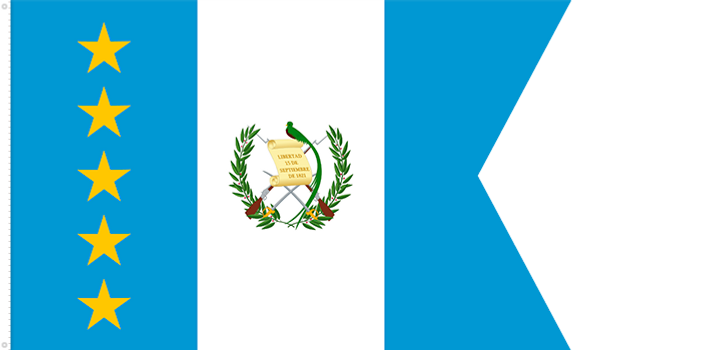
Vice Presidential Standard
Proportion: 5 x 8
CONSTRUCTION

A : 48 | B : 31 | S : 28 | D : 56 | I : 32
COLORS
66 %
Light blue
HEX CODE
# 4997d0
SYMBOLIZES:
THE TWO OCEANS THAT BATH THE COUNTRY: THE PACIFIC AND THE ATLANTIC OCEAN
33 %
White
HEX CODE
#ffffff
SYMBOLIZES:
REPRESENTS THE LAND BETWEEN BOTH OCEANS
HISTORY

flag of the
Mexican Empire

1822 - 1823

Flag of the Provinces
Nations of Central America
1823 - 1824

flag of the
Mexican Empire
1822 - 1823

Flag of the Provinces
Nations of Central America
1823 - 1824

republic flag
Federal of Central America
1824 - 1839

State of Guatemala
in the RFdeCA
1825 - 1838

Flag of
Guatemala
1838 - 1843
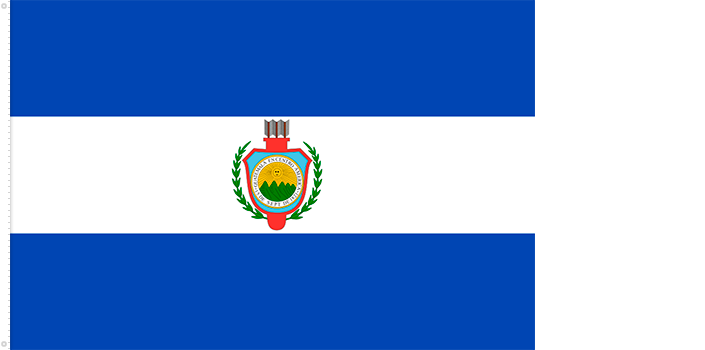
Flag of
Guatemala
1843 - 1851

Flag of
Guatemala
1851 - 1858
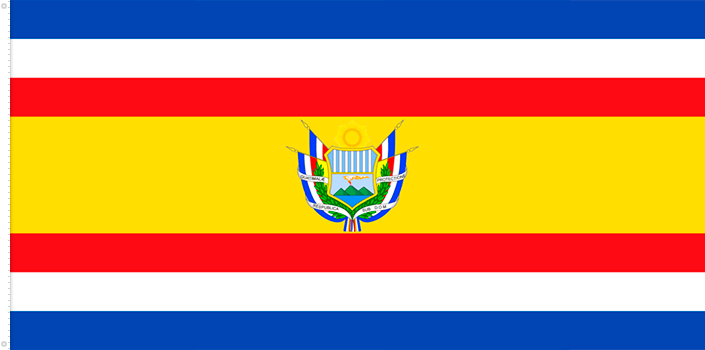
Flag of
Guatemala
1858 - 1871
REGIONAL FLAGS

flag of the
Department of
Upper Verapaz

flag of the
Department of
Lower Verapaz
flag of the
Department of
Chimaltenango

flag of the
Department of
Chiquimula

flag of the
Department of
Progress

flag of the
Department of
Escuintla
flag of the
Department of
Guatemala
flag of the
Department of
Huehuetenango

flag of the
Department of
Izabal
flag of the
Department of
Jalapa
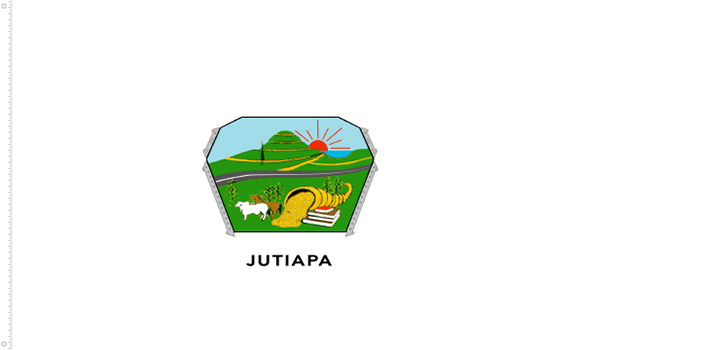
flag of the
Department of
Jutiapa
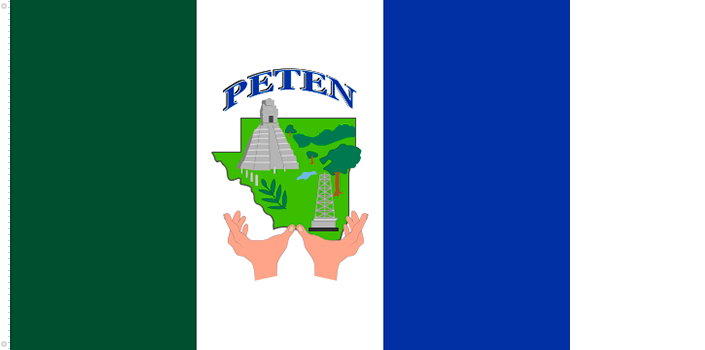
flag of the
Department of
peten

flag of the
Department of
Quetzaltenango

flag of the
Department of
Quiche

flag of the
Department of
Retalhuleu
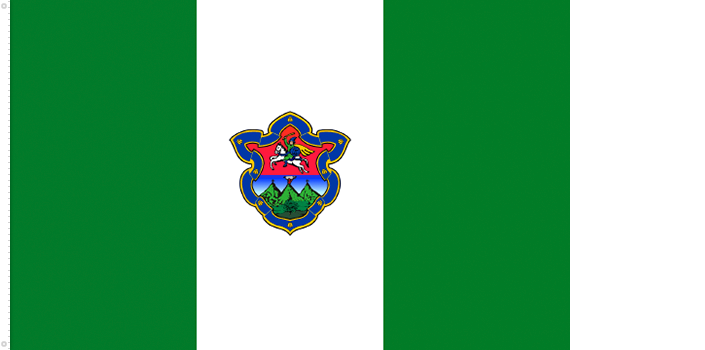
flag of the
Department of
Sacatepequez

flag of the
Department of
Saint Mark

flag of the
Department of
Santa Rosa

flag of the
Department of
Only the

flag of the
Department of
Suchitepequez
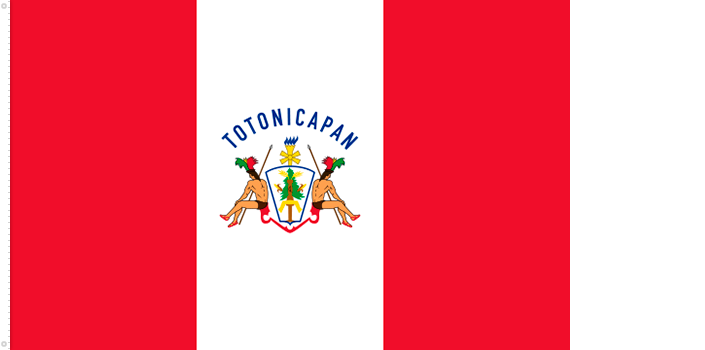
flag of the
Department of
Totonicapan
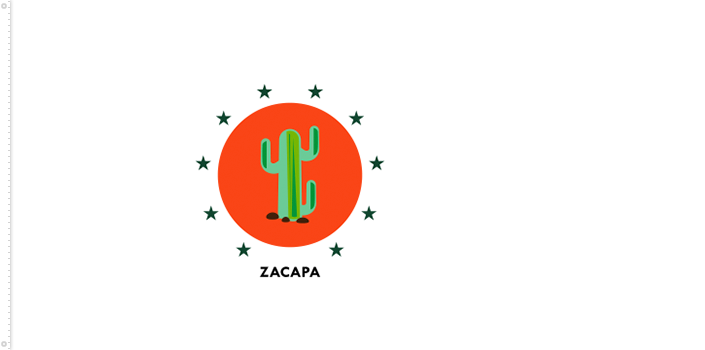
flag of the
Department of
Zacapa
SHIELD
The coat of arms of Guatemala is the emblem and supreme insignia of the Republic of Guatemala together with the national flag and has undergone transformations even before the creation of the republic on March 21, 1847.1 It was originally created by the conservative government of General Rafael Carrera y Turcios based on the proposal of Bishop Juan José de Aycinena y Piñol and other members of the Aycinena clan who wanted to emphasize the conservative influence in Guatemala by keeping Spanish elements on the flag.
After the death of Carrera and the main members of the Aycinena clan between 1860 and 1865, the conservative influence weakened in Guatemala and his government was finally overthrown by the liberal revolution on June 30, 1871 led by Miguel García Granados and Justo Rufino Barrios, who among their first decrees modified the flag and coat of arms of Guatemala to eliminate conservative references.
It was created by Executive Decree No. 33 of November 18, 1871, with General Miguel García Granados as President of the Republic, and is made up of the national bird of Guatemala, the quetzal, a symbol of freedom; a parchment with the date on which Central America became independent from Spain, September 15, 1821; two crossed rifles, with bayonets, indicating the will to defend the interests of Guatemala by force if necessary; two crossed swords, symbolizing honor; and a laurel wreath symbolizing victory and peace preferred over war. It was designed by Juan Bautista Frener.
The meaning of the national symbols represented in the Coat of Arms is as follows: the sword symbolizes justice and sovereignty. Laurel branches represent victory. The parchment is the immortality of the date of birth of the country and the quetzal is the supreme symbol of freedom (Congress of the Republic of Guatemala, sf).
